The Best Hoxhunt Alternatives & Competitors in 2026
Dec 28

Discover a smarter approach to human risk management - OutThink today.
Introduction
Phishing continues to be one of the most exploited attack vectors worldwide, and human error remains at the center of the majority of successful breaches. For years, Hoxhunt has been recognized for its micro‑learning approach and gamified phishing simulations, helping organizations increase email‑focused resilience and reporting rates.
But the threat landscape has evolved faster than phishing‑centric platforms can keep up. Attackers now combine AI‑crafted social engineering, deepfake vishing, SMS‑based lures, and real‑time impersonation across tools like Teams, Slack, mobile messaging, and collaboration platforms. Modern Human Risk Management programs require visibility across dozens of human risk factors, not just susceptibility to email attacks.
As organizations mature, many find that Hoxhunt’s phishing-centric scope lacks the depth required for a modern human risk strategy. Today’s CISOs are moving beyond simple "click rates" toward platforms that integrate behavioral intelligence to analyze holistic risk patterns, real-time threat data to mirror active attacker techniques, and enterprise-grade governance for complex global structures. This shift is driven by a need for defensible proof of risk reduction; replacing static simulations with a resilient, multi-channel defense that scales alongside AI-driven social engineering and sophisticated modern attacks.
What this article covers:
- Why organizations are exploring alternatives to Hoxhunt and the scenarios where reassessment makes sense
- The top criteria enterprises now use when evaluating modern Human Risk Management & Security Aeareness Training platforms
- A clear and evidence‑based review of six popular alternatives to Hoxhunt
- Practical guidance on selecting a solution aligned an organisation’s maturity, workforce structure, and risk priorities
Why Consider Alternatives to Hoxhunt?
While Hoxhunt is a leader in gamified phishing simulations, many organizations are outgrowing the "phishing-only" model as they move toward Human Risk Management (HRM). As security programs mature, the requirement shifts from simply tracking clicks to managing a complex web of digital behaviors and enterprise-level governance.
The move toward an alternative is typically driven by three non-negotiable requirements: the need for broader risk visibility across all digital channels, deeper customization to fit complex enterprise structures, and defensible proof of real behavior change beyond simple phishing interactions.
Here is why the market is shifting:
- Limited HRM scope: Security teams now need to measure a wider set of risk signals and behaviors beyond the inbox (e.g. credential sharing, social engineering, shadow IT etc.) rather than relying solely on single-channel phishing metrics.
- Lack of Enterprise-Grade Control: Large organizations outgrow Hoxhunt’s "one-size-fits-all" model when they require granular, multi-admin governance. Because the platform delivers identical training to all customers, it struggles with multi-entity operations and lacks the deep customization needed to mirror specific internal environments.
- Absence of Real-Time or Industry-Specific Threat Intelligence: Modern threats evolve at machine speed, requiring simulations triggered by live intelligence rather than static libraries. Without integration into open-source and industry-specific feeds, simulations fail to mirror the active attacker techniques targeting your specific sector.
- Static Training and Restricted Gamification: Phishing-only gamification is insufficient for building a sustained security culture. Compared to modern HRM platforms, Hoxhunt’s training often feels formulaic, relying on bullet-point modules that lack the depth required for complex behavioral change.
- Lack of Behavioral Diagnostics and Proven Impact: Hoxhunt lacks the root-cause analysis and multi-factor behavioral scoring necessary to identify which specific habits are driving risk. Today’s HRM standard requires granular data that proves actual risk reduction rather than just a tally of reported emails.
Consider evaluating an Hoxhunt alternative if your 2026 roadmap requires:
- Multi-Channel Visibility: Measuring risk across Teams, Slack, and web behavior, not just email.
- Operational Autonomy: Independent management and custom workflows for different business units or subsidiaries.
- Intelligence-Led Defense: Simulations that automatically update based on the latest industry-specific threat telemetry.
- Predictive Risk Scoring: Identifying "at-risk" cohorts before an incident occurs based on behavioral patterns.
- Universal Gamification: Incentives that reward secure habits across a wider spectrum of cyber behaviours not just flagging suspicious emails.
- Adaptive Storytelling: AI-powered content that mirrors a user's specific role and risk history, replacing generic "one-size-fits-all" modules.
What Enterprises Really Want: The 7 Non-Negotiable Criteria for Choosing a “Better” HRM Platform
Before comparing vendors, it’s critical to define what “better” really means. Based on an analysis of the top 100 enterprise RFPs we reviewed in the past year, these seven key criteria (listed in order of importance and RFP weight factor) consistently rank as the most important for security teams:
Research Highlights:
- Data Management ranked #1 with about 25% average weight
- Behaviour Change and Engagement both scored above 20% by average weight on most items
- Integration Depth and Adaptive Training are now table stakes
1. Data Management
Enterprises demand transparency on how user data is collected, stored, and ultimately destroyed. Compliance with GDPR, CCPA, PDPA, and ISO standards is non-negotiable. This category carries the highest weight because privacy, audit readiness, and governance are under intense scrutiny. Platforms that demonstrate strong security controls and clear retention policies earn trust; and with regulators tightening, this is now a board-level concern.
2. User Engagement
Training can’t feel like a checkbox exercise. Buyers want platforms that make learning engaging through gamification (leaderboards, challenges), nudges via Teams or email, and multi-language support for global teams. Engagement analytics help identify low performers and drive targeted interventions. Vendors leading in this space use behavioral science and gamified UX to build security culture, not just awareness.
3. Behaviour Change
Awareness alone isn’t enough; organizations want proof of real-world impact. Platforms should measure actual security behaviors, diagnose why risky actions occur, and automatically deliver tailored training when needed. Continuous nudges keep security top-of-mind. The industry is shifting from static courses to adaptive, behavior-driven HRM, where success is measured by improved risk posture, not completion rates.
4. Technology Fit
Deployment must be frictionless. Buyers expect seamless integration with productivity and security stacks like Microsoft 365, Gmail, SIEM/SOAR, and support for SSO via AD or Okta. Mobile and browser compatibility are essential for hybrid workforces. Integration depth is now table stakes; HRM platforms should embed into daily workflows and security operations without disruption.
5. Phishing Simulations
Phishing remains the top attack vector, so simulations need to be realistic and adaptive. Enterprises prefer AI-driven templates powered by live threat intelligence and OSINT, not static libraries. They also expect root-cause analysis and personalized remediation for users who fail. Leaders are moving toward alert-triggered training loops, aligning phishing defense with SOC workflows for measurable impact.
6) Reporting & Insights
CISOs need more than participation stats; they need actionable intelligence. RFPs call for dashboards that show risk scores, engagement metrics, and APIs for custom reporting. Visibility at user, team, and organizational levels is critical. Platforms that link training outcomes to measurable risk reduction are gaining traction as security becomes a board-level KPI.
7) Human Risk Intelligence
Modern HRM platforms are expected to provide dynamic, predictive risk scoring based on behavioral signals, phishing results, and training history. Buyers want transparency: users should see their score and get guidance to improve, while security teams gain predictive insights for proactive intervention. This capability reflects the industry’s move toward behavioral analytics and adaptive security.
Top 6 Alternatives to Hoxhunt
The leading Hoxhunt alternatives in 2026 prioritize different strategic outcomes: some emphasize adaptive behavioral intelligence (OutThink), others focus on content volume and library depth (KnowBe4, Infosec), while a few specialize in SOC-integrated response (Cofense, Proofpoint) or unified policy governance (MetaCompliance).
To help you identify the best strategic fit, we’ve summarized the strengths, maturity level, and ideal use cases of the top Hoxhunt alternatives. The comparison table below provides a snapshot of the landscape before we dive into each vendor in detail.
| Vendor | Core Strength | HRM Maturity | Best For |
|---|---|---|---|
| OutThink | Adaptive security awareness built around human‑risk data and behavioral intelligence | Very High | Organizations seeking behavior‑driven risk reduction with strong Microsoft ecosystem alignment |
| KnowBe4 | Large content library and broad phishing templates with traditional SAT focus | Medium | Teams prioritizing content volume and wide topic coverage rather than deep behavioral analytics |
| Proofpoint (PSAT) | Threat‑intel‑driven phishing realism integrated with Proofpoint’s broader email security stack | Medium | Enterprises already using Proofpoint email security and needing alignment with SOC processes |
| Infosec IQ | Broad training and simulation catalog with adaptive campaigns | Medium | Organizations wanting extensive training assets with baseline‑style risk scoring |
| Cofense (PhishMe + PDR) | Phishing‑centric training tied to SOC‑grade detection, triage, and response workflows | Medium | Security teams prioritizing phishing detection pipelines and operational response integration |
| MetaCompliance | SAT combined with policy, privacy, and governance workflows | Medium | Enterprises needing unified awareness + policy management and broad global language support |
1. OutThink - Best Overall Hoxhunt Alternative
OutThink is a comprehensive Human Risk Management (HRM) platform designed to measure and reduce risk across the entire behavioral surface, moving beyond the inbox. By integrating with Microsoft 365 and other security stacks, it ingests real-world telemetry (permissions, user actions, and tool usage) from day‑to‑day tools to build a live Human Risk Intelligence profile for every employee.
Key Differentiators:
- Comprehensive human risk measurement: Combines 80+ risk factors including but not limited to behavioral signals, user attitudes, and permissions into a single risk portrait, rather than relying on phishing metrics alone.
- Real‑time threat intelligence and proactive simulations: Plugs into open‑source and industry threat intelligence feeds, including IBM X‑Force, VirusTotal, and Criminal IP to launch industry-specific simulations based on active, real-world campaigns.
- Automated Root-Cause Analysis: Identifies the "why" behind risky behavior (e.g., susceptibility to specific deception techniques) to trigger precise corrective actions at an individual level.
- Multi-Behavior Gamification: Its "OutThink IQ" engine rewards 13 distinct cybersecurity behaviors (beyond phishing), including but not limited to data handling and credential hygiene.
Where It Outperforms Hoxhunt:
- Provides deeper behavioral diagnostics (covering a wider range of human risk factors) and automated root-cause reporting.
- Supports parallel multi-admin workflows and dynamic grouping for complex enterprise structures.
- Uses real-time external threat feeds to generate simulations that Hoxhunt’s internal library cannot match.
- Delivers richer, more customizable, media‑driven training content with AI assistance, in contrast to Hoxhunt’s more static micro modules.
Ideal For:
Mid-market and enterprise organisations requiring a data-driven HRM platform with deep Microsoft ecosystem integration and complex governance needs.
2. KnowBe4 - Legacy Awareness Leader
KnowBe4 is the industry standard for organizations prioritizing a massive content library and standardized global scale. It offers a traditional, library-driven Security Awareness Training (SAT) model backed by the largest repository of templates and localized modules in the market.
Key Differentiators:
- Volume & Variety: Access to thousands of training modules and diverse simulation modalities, including QR/callback, smishing, and vishing designed to cover many roles, industries, and regions.
- Global Localization: Unmatched coverage with 30+ languages supported across the entire console, content, notification ecosystem and console UI for global consistency.
- Mature campaign administration: Robust scheduling and reporting built for large, central IT teams managing standardized annual program cycles.
Where It Outperforms Hoxhunt:
- Stronger for content breadth and global localization for multinational teams.
- Better suited for standardized, repeatable SAT programs where large-scale administrative control is more critical than real-time adaptivity.
Ideal For:
Global organizations that value content volume, localization, and a structured traditional "library-first" training approach.
3. Proofpoint Security Awareness - Enterprise Stack Integration
Proofpoint Security Awareness (PSAT) bridges the gap between training and operations by leveraging Proofpoint’s world-class threat intelligence and email security stack. It treats security awareness as an extension of the SOC (Security Operations Center).
Key Differentiators:
- Threat-Informed Analytics: Dashboards align user susceptibility with indicators from real-world email and DLP (Data Loss Prevention) signals.
- AI-Driven Risk Insights: Uses Proofpoint’s proprietary AI engines to correlate behavioral risk with actual attack data targeting the organization.
- Ecosystem Alignment: Directly connects training to Proofpoint’s "Very Attacked People" (VAP) reporting and automated remediation workflows.
Where It Outperforms Hoxhunt:
- Provides operational alignment with the broader security stack (Email, DLP, Insider Threat).
- Delivers compliance-ready reporting and data exports (SIEM/API) designed for highly regulated industries.
Ideal For:
Large, regulated enterprises already invested in the Proofpoint ecosystem that want training tied to live threat telemetry and operational security workflows.
4. Infosec IQ - Scaled Enterprise Training
Infosec IQ specializes in role-based learning and structured administration for complex organizations that need to align training with specific compliance frameworks or LMS (Learning Management System) requirements.
Key Differentiators:
- Structured Learning Paths: Hundreds of modules organized by role, department, or compliance mandate.
- LMS & Identity Integration: Native SCIM, SSO, and SCORM support for seamless provisioning and tracking across global enterprise tools.
- Adaptive Assessments: Baseline assessments that adjust difficulty to provide a standardized view of departmental risk.
- Adaptive campaign automation - Users can be automatically enrolled into training based on defined events within structured workflows.
- Multilingual delivery - Wide language support and localized templates for multinational implementations.
Where It Outperforms Hoxhunt:
- Superior for audit-ready compliance and role-based training programs.
- Excels in structured administration, supporting teams that prefer predictable, campaign-based workflows over continuous "nudge-based" learning.
- Delivers far greater content volume for role‑based, compliance, and audit‑ready programs.
- Excels in structured administration, supporting teams that require predictable, campaign‑based workflows rather than continuous behavior‑driven adaptivity.
Ideal For:
Large organizations needing large-scale training deployment and deep integration with existing HR and learning infrastructure, especially where regulatory or role‑aligned coverage matters more than micro‑behavior nudging.
5. MetaCompliance - Governance & Policy Hub
MetaCompliance is a unified "Governance, Risk, and Compliance" (GRC) platform that treats security awareness as a core component of a broader policy management and privacy strategy. It is engineered for organizations that prioritize auditability and regulatory alignment across multiple jurisdictions. Its narrative-based e-learning and policy automation workflows make it the primary choice for compliance-driven cybersecurity programs.
Key Differentiators:
- Policy Lifecycle Management: A unified hub to publish, track, and record acknowledgments for internal policies alongside training.
- Story-Driven Content: Uses narrative-based e-learning specifically designed for comprehension and auditability.
- Compliance Automation: Features built-in workflows for GDPR, ISO, and NIST alignment with "audit-ready" reporting and regulatory alignment.
- Enterprise‑grade delivery: Azure‑hosted infrastructure, SSO support, and Teams‑based training deployment.
Where It Outperforms Hoxhunt:
- Dramatically stronger in policy attestation and regulatory oversight.
- Better global language support (40+ languages) for compliance programs in multiple jurisdictions.
- Stronger in policy lifecycle management, documentation, and compliance oversight.
Ideal For:
Organizations with compliance‑driven mandates, governance requirements, and multi‑jurisdiction policy oversight, especially where policy management and audit readiness are as important as awareness training.
6. Cofense Phishing (PhishMe) - SOC-Grade Phishing Defense
Cofense focuses exclusively on high-fidelity phishing defense. It is an operational tool designed to turn employees into "human sensors" that feed directly into a detection and response pipeline. It aligns closely with phishing‑maturity programs aiming to reduce dwell time and increase real‑world detection accuracy.
Key Differentiators:
- Intel-Driven Realism: Templates are built from real malicious campaigns observed by Cofense’s global threat network.
- Triage & Auto-Quarantine: Integrated workflows (Cofense Triage/Vision) allow the SOC to automatically remove reported threats from the entire organization’s inboxes.
- Smart Reinforcement: AI-triggered training that activates only when a user is exposed to a real threat or fails a high-fidelity simulation.
- Active threat research: Ongoing reporting on attacker tactics and evolving phishing trends.
Where It Outperforms Hoxhunt:
- Superior phishing realism based on active, real-world attacker techniques.
- Offers post-deliverydefense and automated remediation workflows for rapid classification and response within a stronger SOC integration.
- Ideal for reducing dwell time and supporting phishing‑focused security operations, not just awareness.
Ideal For:
Security-mature organizations prioritizing SOC integration and rapid threat remediation over general "culture-building" gamification.
How to Choose the Right Hoxhunt Alternative?
Selecting an alternative depends on where your organization sits on the HRM Maturity Model. If you are moving away from Hoxhunt, you are likely shifting from "engagement-driven awareness" to "data-driven risk reduction."
Use the following "Strategic Fit" guide to narrow your search based on the specific roadblocks you need to resolve:
- Need deeperbehavioral visibility and root-cause data? OutThink is the primary choice for moving beyond click rates. It provides telemetry-drivenHuman Risk Intelligence, ingesting 80+ factors to explain why risk occurs and delivering adaptive nudges in the flow of work.
- Need to bridge the gap between training and SOC operations? Cofense or Proofpoint are the strongest fits. Cofense turns users into "human sensors" with automated triage/quarantine, while Proofpoint aligns training with live threat telemetry (e.g., "Very Attacked People" reporting).
- Need to solve for global policy governance and audit-readiness MetaCompliance is engineered for regulated industries. It treats awareness as part of a broader GRC strategy, combining story-driven content with legally defensible policy attestation and 40+ languages.
- Need standardized, high-volume content for a complex workforce KnowBe4 or Infosec IQ provide the massive libraries and structured learning paths required for traditional, compliance-heavy programs that prioritize role-based coverage and administrative scale.
Ultimately, the right Hoxhunt alternative isn't just about finding another phishing simulator; it’s about selecting a partner that aligns with your organization's specific Human Risk Management (HRM) trajectory. Whether you need to solve for admin fatigue with OutThink’s automated behavioral intelligence, or address global regulatory mandates with MetaCompliance’s unified GRC approach, the shift in 2026 is moving away from "did they watch the video?" toward "how has their behavior actually changed?"
Conclusion
Selecting a Hoxhunt alternative is a strategic decision to balance employee engagement with the visibility, operational stability, and governance your program requires.
While Hoxhunt remains a leader for gamified micro-training delivered directly into the flow of work, it is primarily an engagement-driven tool. If your security roadmap for 2026 demands moving beyond "participation" and into true Human Risk Management (HRM), you may require a platform that offers deeper telemetry, tighter SOC integration, or legally defensible policy oversight.
The Final Verdict
- Stick with Hoxhunt if: Your primary goal is to sustain high user participation through frictionless micro-learning and automated, adaptive phishing simulations.
- Explore Alternatives if: You require behavioral root-cause data, integrated policy attestation, or SOC-aligned phishing defense to prove measurable risk reduction to your board.
Discover a smarter approach to human risk management - OutThink today.
Discover the best human risk management platform - OutThink today.
Discover a smarter approach to human risk management - OutThink today.

Security Awareness vs Secure Behaviour: Why Training Fails and What Actually Reduces Human Cyber Risk

Shadow AI and Human‑Driven GenAI Risk: Why Organisations Need Human‑Centric AI Governance in 2026

How Security Behaviour & Culture Programs (SBCP) Actually Change Cybersecurity Outcomes

How to Spot AI‑Generated Videos: Why Detection Now Depends on Human Judgement, Not Visual Clues

Human-Centric Cybersecurity: Why Secure Behaviour Is the New Security Perimeter

What Makes a Human Risk Management Platform Effective in 2026

How AI Is Supercharging Smishing – and What Can Actually Prevent It

Behaviour vs Recognition: The Real Skills Security Awareness Training Must Build for Effective Cyber Resilience

Beyond Detection: The New Model for Deepfake Awareness Training

Deepfake Phishing Simulations: The New Battleground for Cybersecurity Teams

Why Most Phishing Training Programs Fail - And the Best Phishing Simulation Tools to Turn Them Around

GenAI and the Illusion of Control: Why Enterprise Software Is Quietly Undermining Data Security

2026 Ultimate Guide to AI Security Training Platforms & Tools

The Best Proofpoint Alternatives & Competitors in 2026: What to Choose (and Why)

The Best Adaptive Security Alternatives & Competitors in 2026
The Best Hoxhunt Alternatives & Competitors in 2026
The Best KnowBe4 Alternatives & Competitors in 2026: What to Choose (and Why)

The Best MetaCompliance Alternatives & Competitors in 2026
The Best SANS Security Awareness Alternatives & Competitors in 2026
The Best Infosec IQ Alternatives & Competitors in 2026
The Best Cofense Alternatives & Competitors in 2026

The Best Mimecast Alternatives & Competitors in 2026

Designing Human-Centric Cybersecurity

Beyond Tools - The Human Factor in Cybersecurity
The Misaligned Incentives of Cybersecurity : Lessons from Healthcare

There are (at least) Three Ways You Should be doing SAT Campaigns Differently (Part 1)

Practical Guide to COM-B
Building the Foundation: The Crucial Role of Security Culture in Today's Organizations

How to Build and Sustain a Successful Security Champions Program

It’s Time to Make Peace With Imperfection in Cybersecurity Human Risk Management

Why I Refused to Say “People Are the Weakest Link in Cyber”

Can Your People Outthink a Deepfake?
Trusting HTTPS Could Be Your Biggest Mistake - Here’s Why
Biometrics Are Here: Are We Ready for the Human Risks?
I’m a Human Risk Manager (I Think?)

How to Run a Cybersecurity Awareness Training Program in Academia

Phishing in 2025: Cybercriminals Are Smarter Than You Know

Cybersecurity's Comfort Zone Problem
Turning Employees into Payment Security Champions: Your Guide to Free PCI Awareness Training

AI Phishing: The Rising Threat of Intelligent Cyber Deception

What Maslow’s Hierarchy of Needs Reveals About Cybersecurity Flaws

Smishing: The Phishing Attack That Lives in Your Pocket
How Adaptive Security Awareness Training Drives Better Cybersecurity Outcomes: The Science

Quishing: When QR Codes Become Cyber Traps - Your Essential Guide to Protection

TISAX Training: Strengthening Automotive Information Security and Compliance

What Is DORA? DORA Training for Compliance

Risk Quantification for Cybersecurity Human Risk Management

Adaptive SAT: The Future Is Now

Behavioral Analytics Are Changing Cybersecurity

Cybersecurity Awareness Training for Remote Workforces

Would You Skip an Update if You Knew What It Could Cost You?

Your Password Isn't Enough: Why Your Digital Life Needs Multifactor Authentication Today

Your Cybersecurity Is Only as Strong as Your People
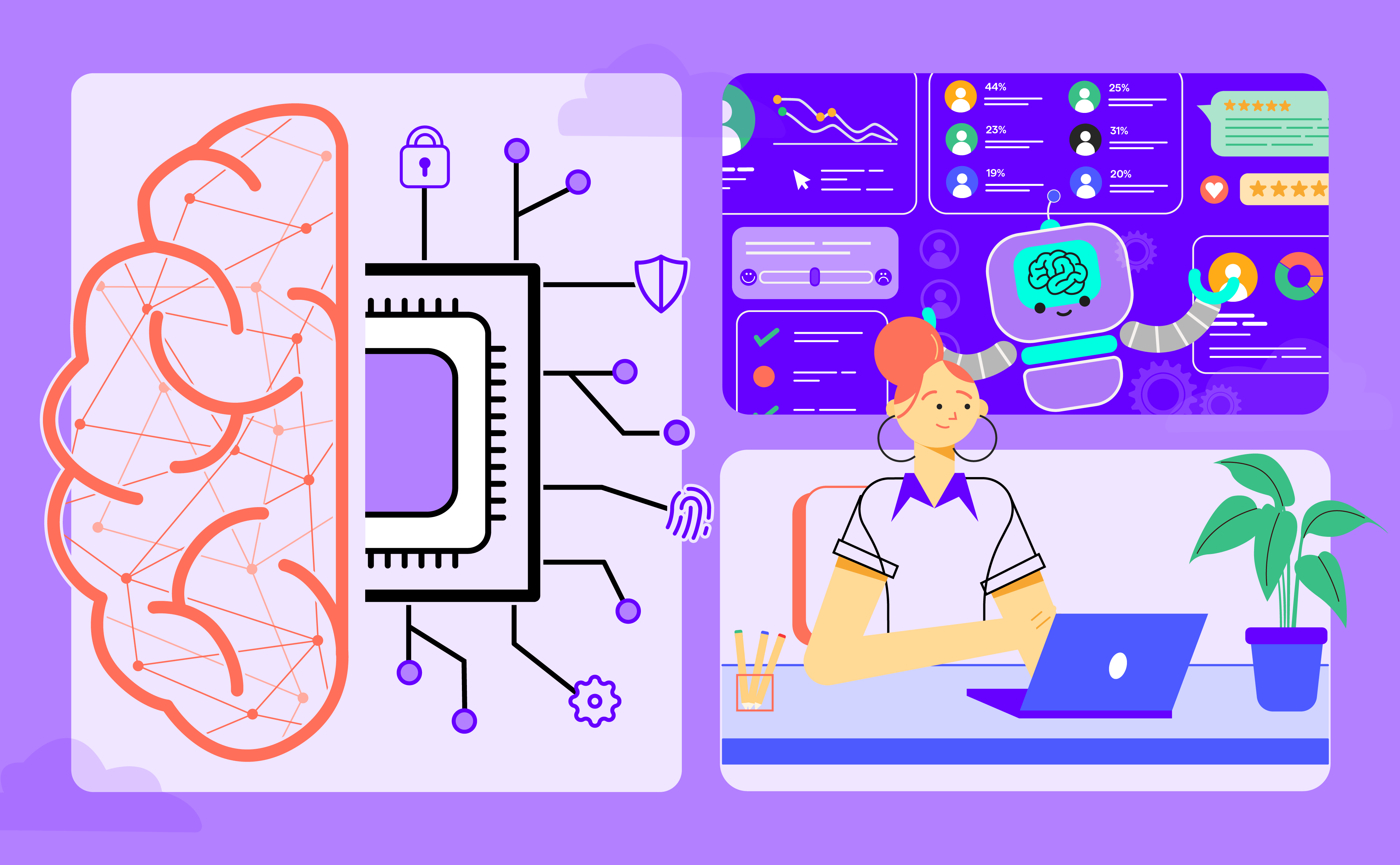
What is Cybersecurity Human Risk Management? What You Need to Know

Engagement Strategies for Cybersecurity Human Risk Management

Adaptive Security Awareness Training for Frontline Workers

Human Risk Management's Eight Dimensions of Secure Behavior Segmentation

State-Sponsored Phishing Attacks Target 40,000 Corporate Users: What This Means for Protecting Your Business
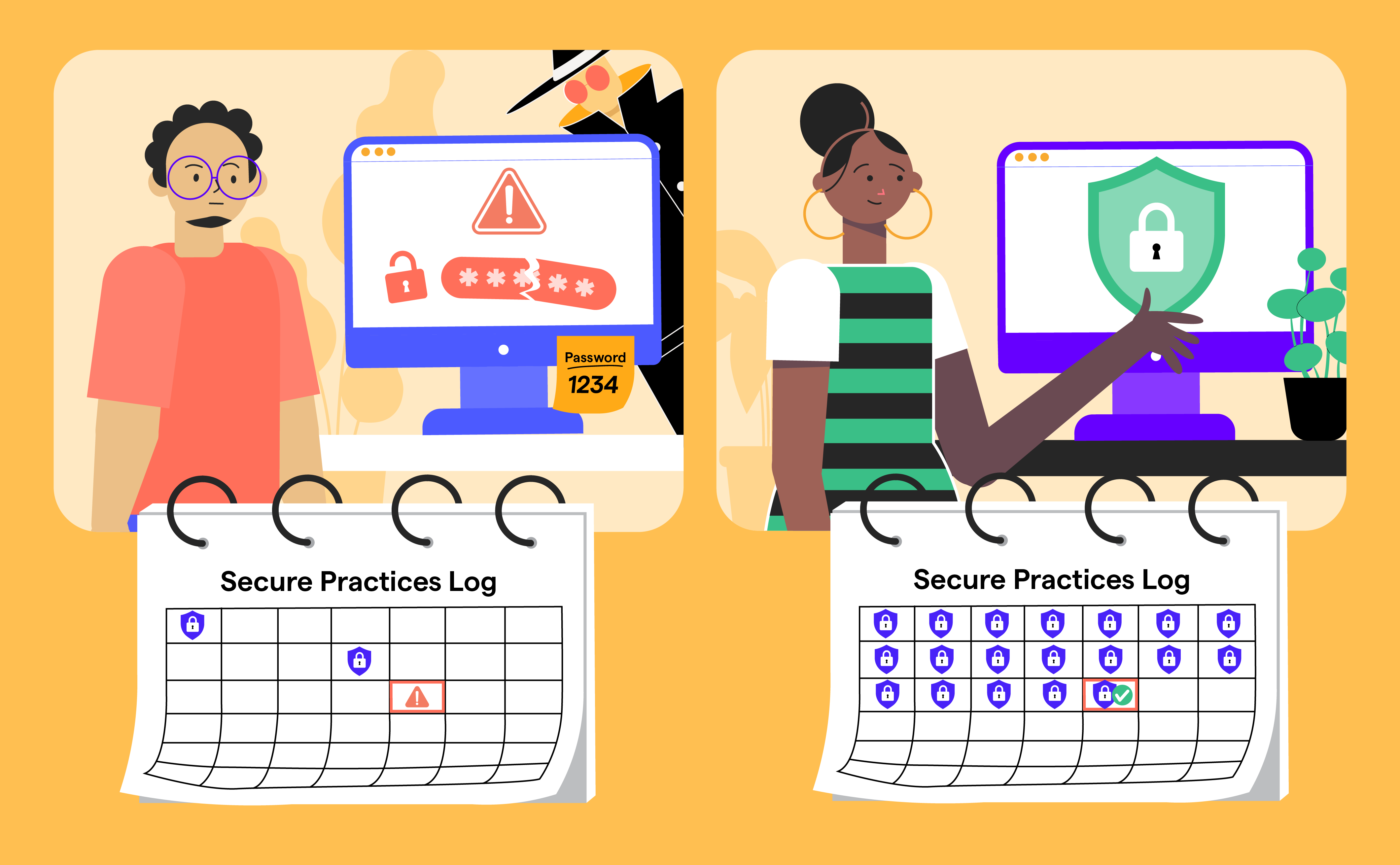
Adaptive Security Awareness Training: Unlearning and Relearning Routines
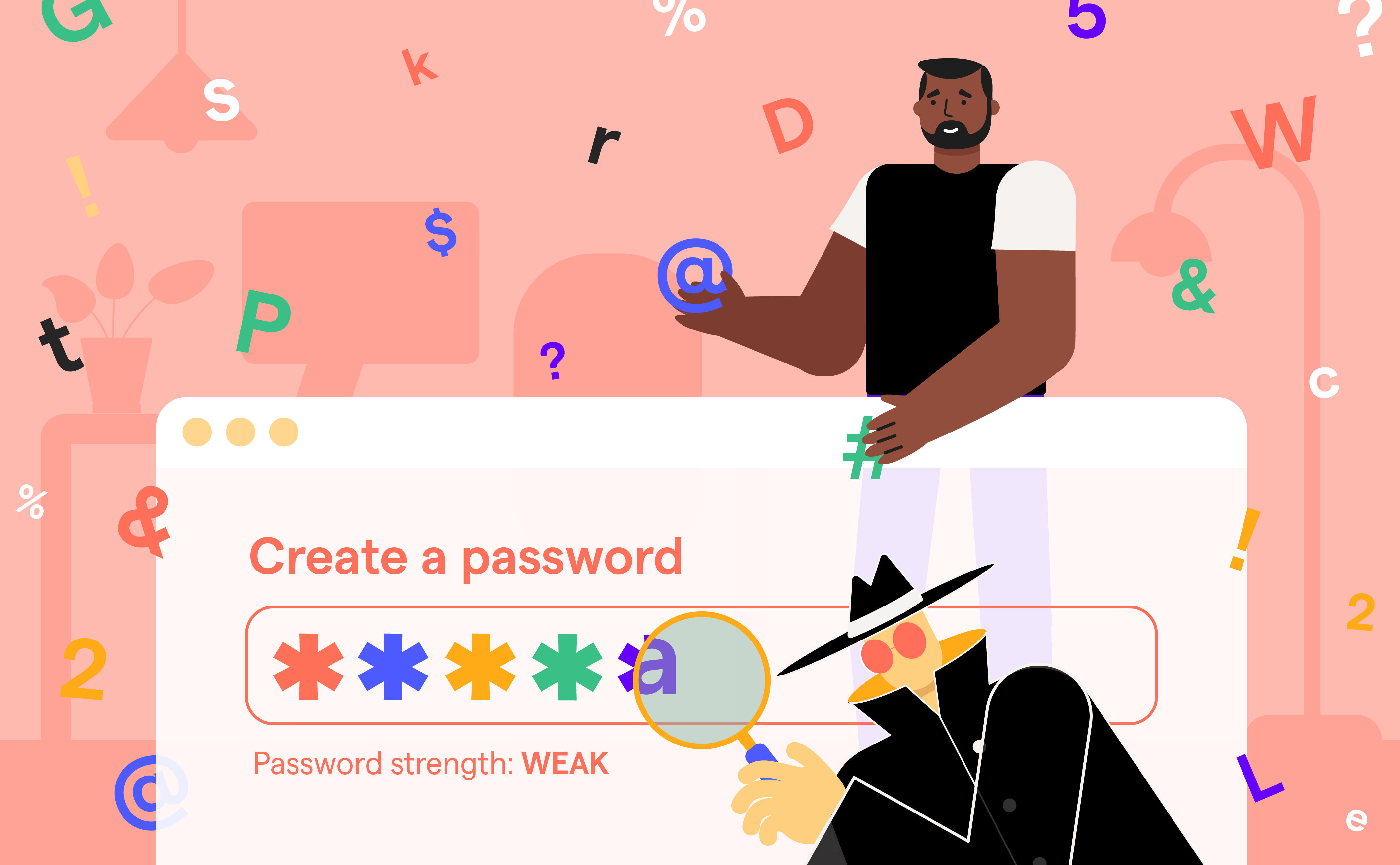
Did You Think Your Password Was Secure? Let’s Talk Password Security

Rethinking Security Awareness: Towards a Cybersecurity Human Risk Management Framework
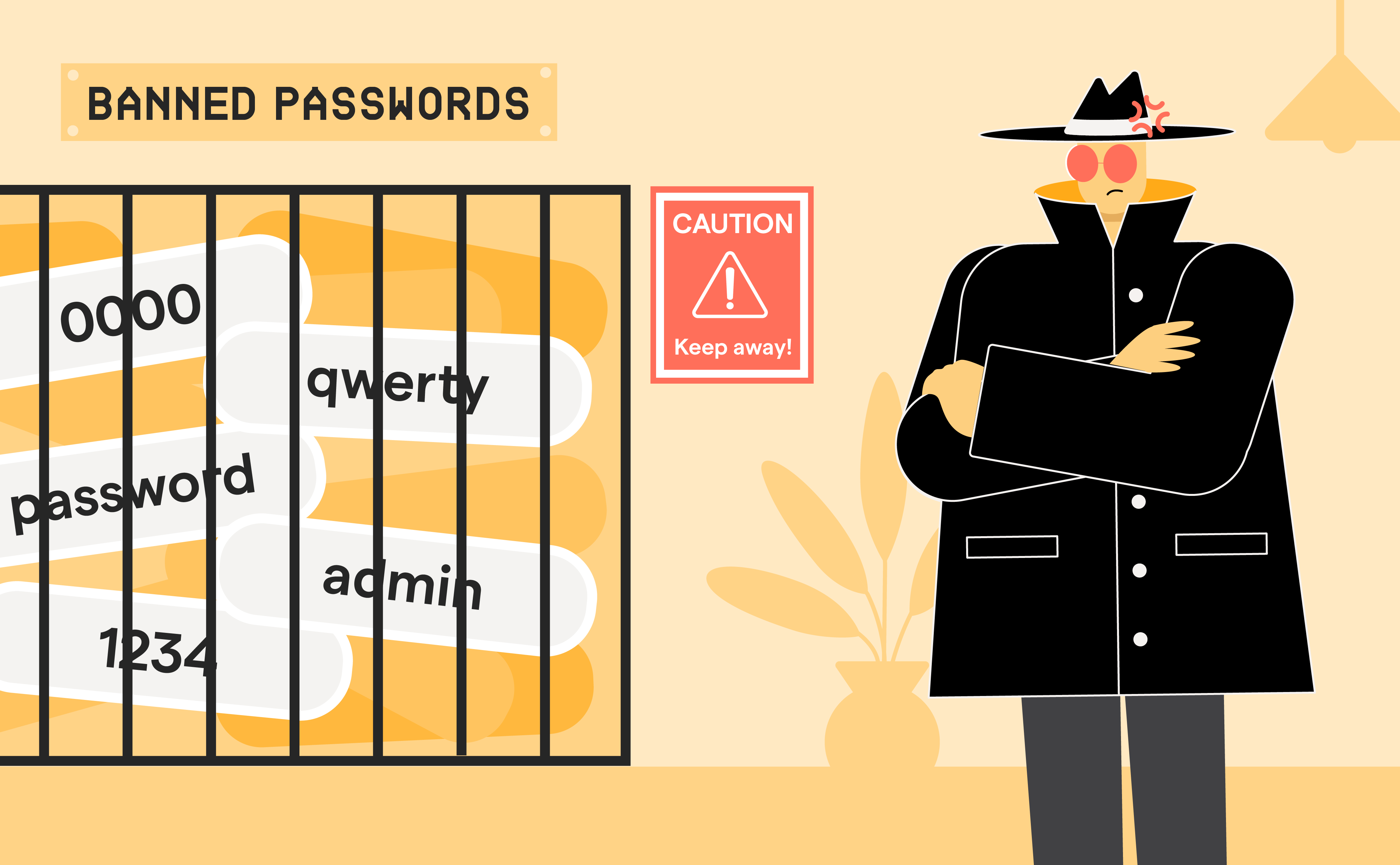
Password Security: Why the UK is Banning Generic Passwords