Cybersecurity Awareness Training for Remote Workforces
Oct 25

Roberto Ishmael Pennino
Roberto Ishmael Pennino is a Cybersecurity Human Risk Management Researcher at OutThink, dedicated to advancing human-centric security practices and reducing human risk in cybersecurity. With a background spanning industries such as healthcare and education, Roberto holds prestigious certifications like GCIH, GSEC, GFACT, and ISC2 CC, alongside expertise in adaptive security awareness and behavior-focused risk mitigation.
View ProfileAddressing Unique Cybersecurity Risks in Hybrid and Remote Environments
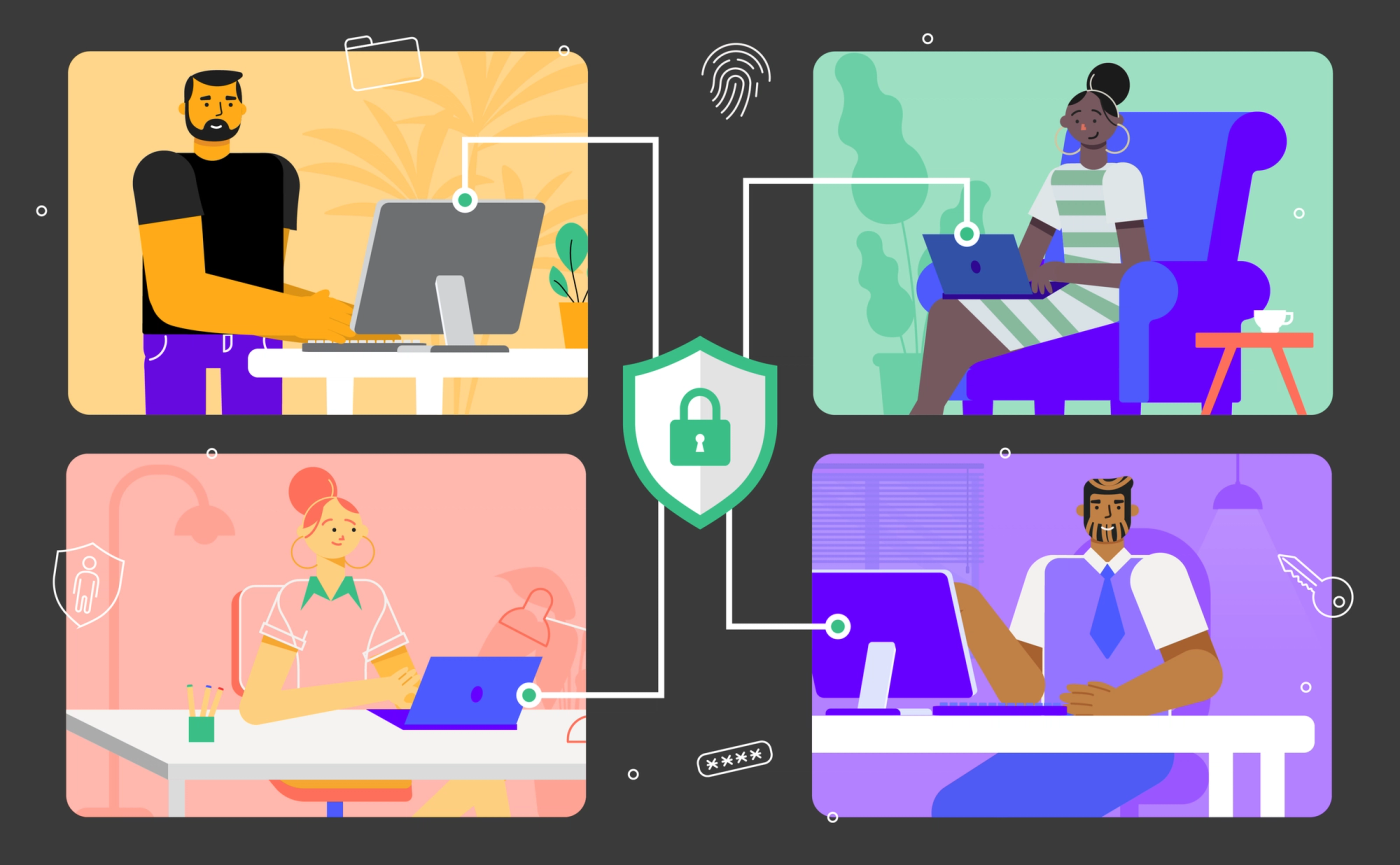
In today’s evolving work landscape, remote and hybrid work setups have become the norm. While these flexible working models offer many benefits, they also present unique cybersecurity challenges. As we continue Cybersecurity Awareness Month 2024, it’s essential to explore how organizations can maintain security awareness for remote workers and protect sensitive information in decentralized environments.
Challenges in Securing Remote and Hybrid Workforces
When employees work from various locations, they often operate outside the secure boundaries of the office network. Remote workers may rely on unsecured networks, personal devices, and unfamiliar software, all of which increase vulnerability to cyber threats like phishing, ransomware, and unauthorized access.
Remote workers have been shown to face heightened risks of phishing attacks, as they are often working outside secured office environments. In 2022, according to Lookout’s Global State of Mobile Phishing Report, there was a 30% increase in phishing attacks targeting remote and hybrid workforces, underscoring the need for robust security measures. To understand how to secure employees in non-traditional setups, including those without email access, listen to our podcast with Urmas Aamisepp, CISO at Epiroc, discussing manufacturing and frontline security challenges. Additionally, remote work can lead to a disconnected security culture, where employees feel isolated from regular training and updates, making them more susceptible to risky behaviors.
To ensure remote employees stay vigilant, integrate adaptive alerts informed by our simulation outcomes in ‘The Cyber Risk Within: Insider Threats’, which highlight off-network risk behaviors. To measure your program’s efficacy, align reporting with metrics from AI Cybersecurity Human Risk Management Report 2025, which benchmarks remote-work cohorts.
How OutThink Addresses Cybersecurity for Remote Workforces
OutThink’s Human Risk Management platform's Adaptive Security Awareness Training offers flexible and customizable training paths designed specifically to address the unique risks faced by remote and hybrid employees:
- Personalized training & learning paths: OutThink’s platform provides role-specific training that caters to each employee’s unique work setup. Whether remote, hybrid, or in-office, employees receive customized security awareness training relevant to their day-to-day activities.
- Phishing simulations & reporting: Remote workers are particularly vulnerable to phishing attacks. (Here's a guide on the most important phishing red flags that you must know.) OutThink’s platform enables organizations to run targeted phishing simulations for remote employees, helping them recognize and respond to suspicious emails. The platform also fosters a culture of vigilance by encouraging employees to report threats in real time.
- Secure device and network use: OutThink’s training includes modules on securing personal devices, understanding VPNs, and recognizing the dangers of public Wi-Fi networks. This ensures employees working outside the office know how to protect company data, even on unsecure networks.
Building a First-Class Remote Cybersecurity Culture
One of the biggest challenges in remote work is maintaining a strong cybersecurity culture. OutThink’s adaptive security awareness training supports continuous learning through regular updates, interactive modules, and virtual check-ins, ensuring that remote workers remain engaged and aware of new security protocols, no matter where they’re located. This approach is reinforced by insights from behavioral science, which show how psychological factors influence long-term engagement and secure habits in distributed teams- as explored in this conversation with Bec McKeown, a leading expert in cybersecurity culture and behavior.
Adaptive Security Awareness Training adjusts to remote employees’ needs without sacrificing engagement.
Adapting to the Future of Work
OutThink’s customizable training paths ensure that organizations can adapt their security strategies to fit the realities of modern work environments. By focusing on behavioral insights, the platform allows security teams to target specific vulnerabilities unique to remote workers, empowering employees to become proactive champions of organizational security.
Learn more about OutThink’s Human Risk Management platform here and discover how it supports human-centric cybersecurity for remote and hybrid teams.
Enhance your security awareness program with OutThink
Related Articles

Human Risk Management is now Secure Behavior Management. We think Gartner is right.
Read More
OutThink Recognized in Gartner's Secure Behavior Management Research
Read More