Designing Human-Centric Cybersecurity
Dec 01

Get in touch with our HRM Specialists
Introduction
Building on the human factor, the next step is to design systems and policies that align with how people actually behave. This is where behavioral economics, persuasion theory, and practical design principles converge with security strategy.
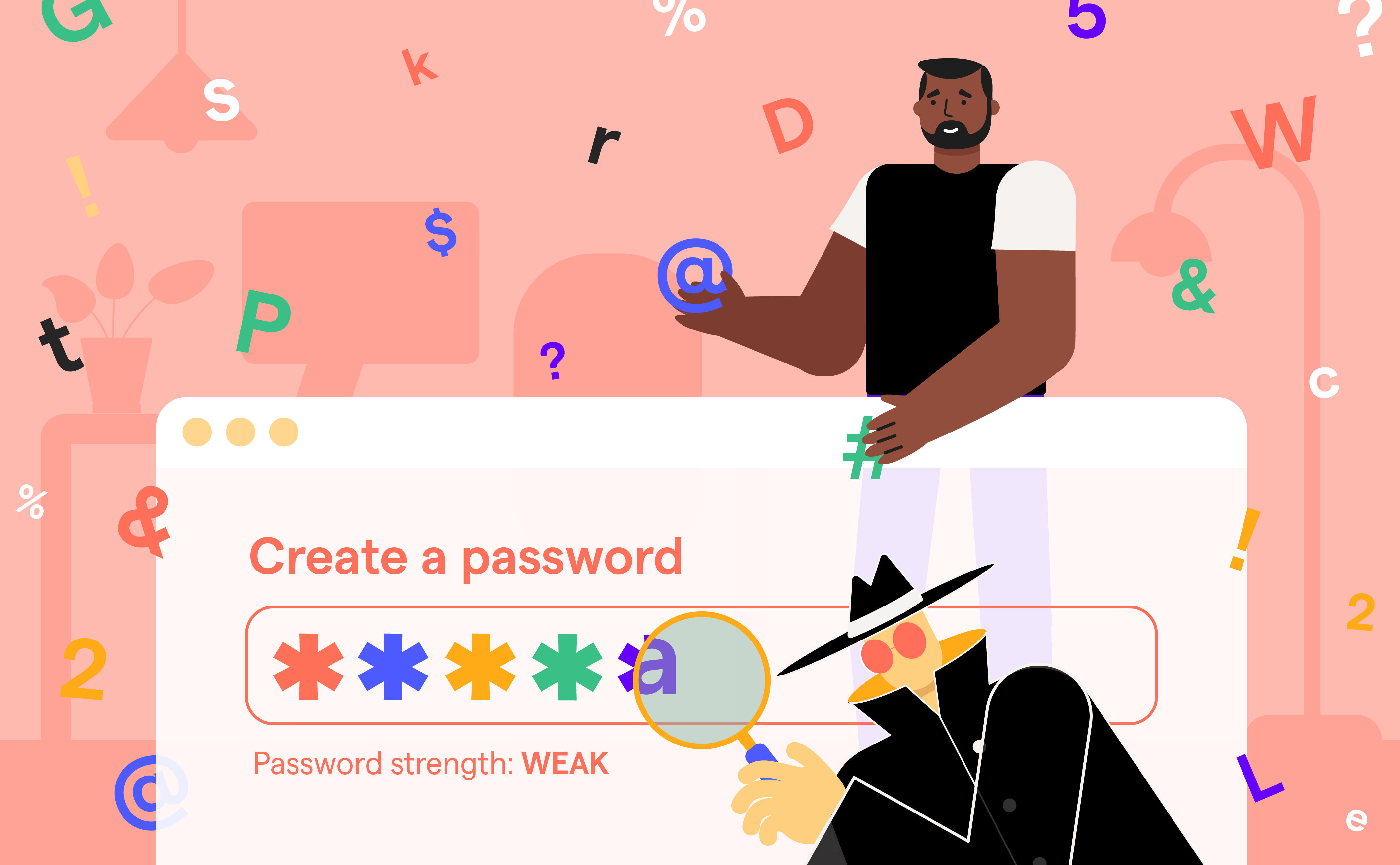
Password Complexity and Behavioral Nudges
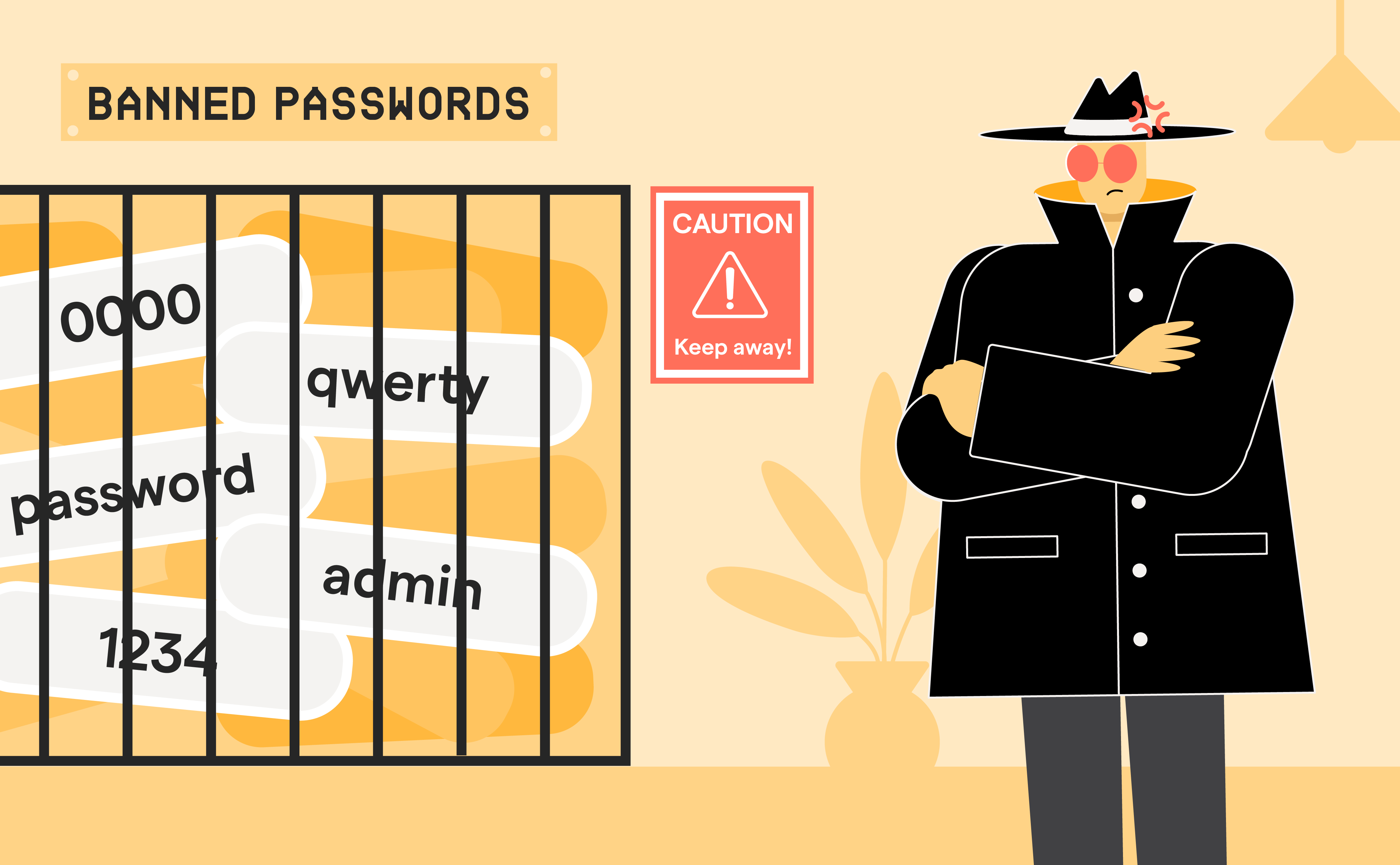
Take password policies as an example. Excessive complexity - too many characters, symbols, or rotation rules - can backfire. Users recycle old passwords or write them down, defeating the purpose.
A more effective approach is to enforce a solid baseline while using behavioral nudges to encourage voluntary improvement. For instance, subtle prompts during password setup can remind users of best practices or show comparative strength scores. Over time, such nudges can measurably increase overall password quality - even if only 10% of users choose stronger credentials, that represents a collective reduction in risk.
Broader Human-Risk Applications
These same principles apply across many information security practices:
- User Access and Privilege Reviews: Managers can be prompted to challenge unnecessary permissions or request simplified, role-based access groupings they can understand.
- Device Update Compliance: Delays in installing patches accumulate into thousands of collective “vulnerable days.” Persuasive design and better social engineering can encourage faster responses.
- Disaster Recovery Participation: Framing DR and Business Continuity testing as engaging, collaborative exercises - not chores - improves turnout and realism.
- HR Off-boarding Triggers: Timely deactivation of departing employees’ access often depends on managerial discipline. Automated reminders and accountability mechanisms can close this gap.
- User Acceptance Testing: As agile development increases change frequency, effective persuasion and gamification can motivate users to complete meaningful UAT rather than superficial log-ins.
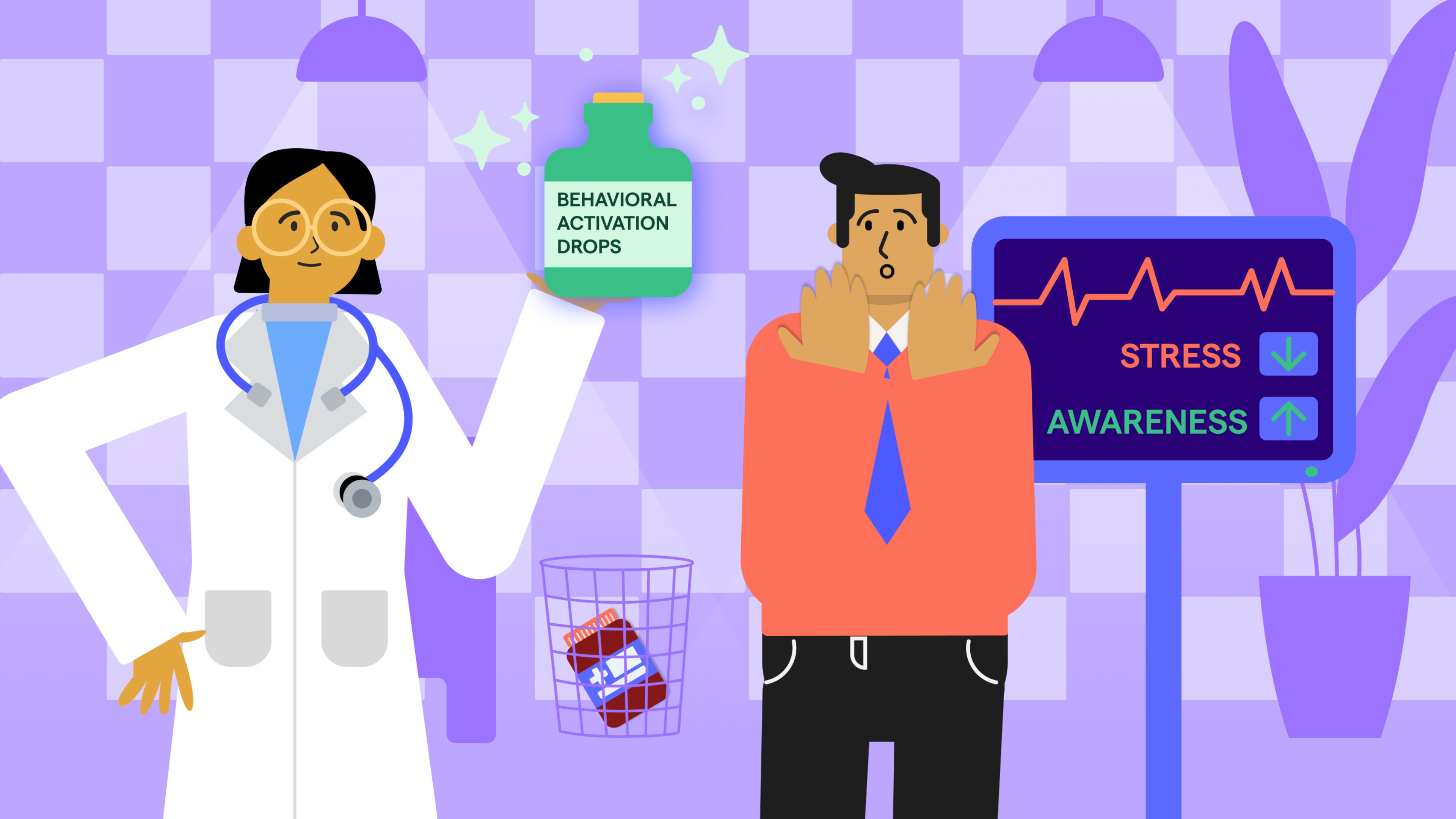
Across all these examples, the common thread is behavioral activation - creating conditions where doing the secure thing is easier, quicker, or more rewarding than not doing it.
Cultural Accountability and Decision-Making
In practice, many controls still depend on humans. Even automated processes often include a “human in the loop” making uncertain decisions with limited information. Corporate culture sometimes discourages individual accountability, favoring committee consensus. While well-intentioned, this can delay responses and increase risk exposure.
Changing culture is hard, but not impossible. Borrowing proven methods from social engineering, marketing, and consumer psychology can help shift behavior without heavy-handed enforcement. These approaches are often cheaper and more sustainable than new tools that add complexity but not value.
Conclusion
In cybersecurity, we already possess the technology - what we lack is alignment, empathy, and design tuned to human nature. By augmenting technical controls with behavioral insight, organizations can build resilience that is measurable, cost-effective, and human-first.
True progress lies not in more tools, but in smarter, psychologically aware systems that turn people - once considered the weakest link - into the strongest line of defense.
Get in touch with our HRM Specialists
Experience OutThink
Get in touch with our HRM Specialists

Security Awareness vs Secure Behaviour: Why Training Fails and What Actually Reduces Human Cyber Risk

Shadow AI and Human‑Driven GenAI Risk: Why Organisations Need Human‑Centric AI Governance in 2026

How Security Behaviour & Culture Programs (SBCP) Actually Change Cybersecurity Outcomes

How to Spot AI‑Generated Videos: Why Detection Now Depends on Human Judgement, Not Visual Clues

Human-Centric Cybersecurity: Why Secure Behaviour Is the New Security Perimeter

What Makes a Human Risk Management Platform Effective in 2026
How AI Is Supercharging Smishing – and What Can Actually Prevent It

Behaviour vs Recognition: The Real Skills Security Awareness Training Must Build for Effective Cyber Resilience

Beyond Detection: The New Model for Deepfake Awareness Training

Deepfake Phishing Simulations: The New Battleground for Cybersecurity Teams

Why Most Phishing Training Programs Fail - And the Best Phishing Simulation Tools to Turn Them Around
GenAI and the Illusion of Control: Why Enterprise Software Is Quietly Undermining Data Security

2026 Ultimate Guide to AI Security Training Platforms & Tools

The Best Proofpoint Alternatives & Competitors in 2026: What to Choose (and Why)

The Best Adaptive Security Alternatives & Competitors in 2026
The Best Hoxhunt Alternatives & Competitors in 2026
The Best KnowBe4 Alternatives & Competitors in 2026: What to Choose (and Why)
The Best MetaCompliance Alternatives & Competitors in 2026
The Best SANS Security Awareness Alternatives & Competitors in 2026
The Best Infosec IQ Alternatives & Competitors in 2026
The Best Cofense Alternatives & Competitors in 2026

The Best Mimecast Alternatives & Competitors in 2026
Designing Human-Centric Cybersecurity

Beyond Tools - The Human Factor in Cybersecurity
The Misaligned Incentives of Cybersecurity : Lessons from Healthcare

There are (at least) Three Ways You Should be doing SAT Campaigns Differently (Part 1)

Practical Guide to COM-B
Building the Foundation: The Crucial Role of Security Culture in Today's Organizations

How to Build and Sustain a Successful Security Champions Program

It’s Time to Make Peace With Imperfection in Cybersecurity Human Risk Management

Why I Refused to Say “People Are the Weakest Link in Cyber”

Can Your People Outthink a Deepfake?

Trusting HTTPS Could Be Your Biggest Mistake - Here’s Why
Biometrics Are Here: Are We Ready for the Human Risks?
I’m a Human Risk Manager (I Think?)

How to Run a Cybersecurity Awareness Training Program in Academia
Phishing in 2025: Cybercriminals Are Smarter Than You Know

Cybersecurity's Comfort Zone Problem
Turning Employees into Payment Security Champions: Your Guide to Free PCI Awareness Training
AI Phishing: The Rising Threat of Intelligent Cyber Deception

What Maslow’s Hierarchy of Needs Reveals About Cybersecurity Flaws
Smishing: The Phishing Attack That Lives in Your Pocket
How Adaptive Security Awareness Training Drives Better Cybersecurity Outcomes: The Science

Quishing: When QR Codes Become Cyber Traps - Your Essential Guide to Protection

TISAX Training: Strengthening Automotive Information Security and Compliance
What Is DORA? DORA Training for Compliance

Risk Quantification for Cybersecurity Human Risk Management

Adaptive SAT: The Future Is Now

Behavioral Analytics Are Changing Cybersecurity

Cybersecurity Awareness Training for Remote Workforces

Would You Skip an Update if You Knew What It Could Cost You?
Your Password Isn't Enough: Why Your Digital Life Needs Multifactor Authentication Today

Your Cybersecurity Is Only as Strong as Your People
What is Cybersecurity Human Risk Management? What You Need to Know

Engagement Strategies for Cybersecurity Human Risk Management
Adaptive Security Awareness Training for Frontline Workers

Human Risk Management's Eight Dimensions of Secure Behavior Segmentation

State-Sponsored Phishing Attacks Target 40,000 Corporate Users: What This Means for Protecting Your Business
Adaptive Security Awareness Training: Unlearning and Relearning Routines
Did You Think Your Password Was Secure? Let’s Talk Password Security

Rethinking Security Awareness: Towards a Cybersecurity Human Risk Management Framework
Password Security: Why the UK is Banning Generic Passwords