Beyond Tools - The Human Factor in Cybersecurity
Dec 01

Get in touch with our HRM Specialists
Introduction
Accepting that no organization can operate sustainably in an ideal state, we must find pragmatic ways to reduce risk despite imperfect conditions. In cybersecurity, the most effective approach is to recognize that the human factor remains central not only as a point of vulnerability but as a key driver of resilience.
Humancentric thinking is already embedded in most frameworks through training, awareness campaigns, and exercises like penetration testing, phishing simulations, and Cyber Awareness Months. But these often remain surfacelevel focusing on compliance rather than deep behavioral change.
Humans as the Real “Soft Targets”
To understand this dynamic, consider the analogy of encryption. The algorithm represents technology, while its implementation represents the human factor. Even the strongest encryption is vulnerable if implemented poorly. Similarly, even the best security architecture can fail through human error.
Research consistently shows that the majority of data breaches stem from human mistakes. IBM’s 80/20 finding that 8% of users cause 80% of issues illustrates this concentration of risk. Other studies show that roughly half of all employees want to act securely but simply don’t know how.
This gap between intent and behavior is both the challenge and opportunity for cybersecurity.
Behavioral Levers and Emotional Design
Human behavior can be influenced - ethically and positively - using methods long proven in fields like marketing, design, and therapy. Casinos, for instance, master sensory influence through lighting, sound, and layout to guide customer behavior. The same psychological principles can be used for good: designing systems that support user resilience and reduce emotional vulnerability.
For example, emotional states heavily influence decision-making in phishing scenarios. Most people who fail phishing tests vividly recall the moment they clicked the link - knowing even then that it was the wrong choice. They justify the lapse with stress, distraction, or urgency.
This emotional awareness can be leveraged for learning. Imagine AI-driven chat agents following up minutes after a phishing test failure, guiding users through reflection and gentle reinforcement. These post-event “nudges” could improve retention and empathy far better than traditional reprimands.
Managing Stress and Cognitive Load
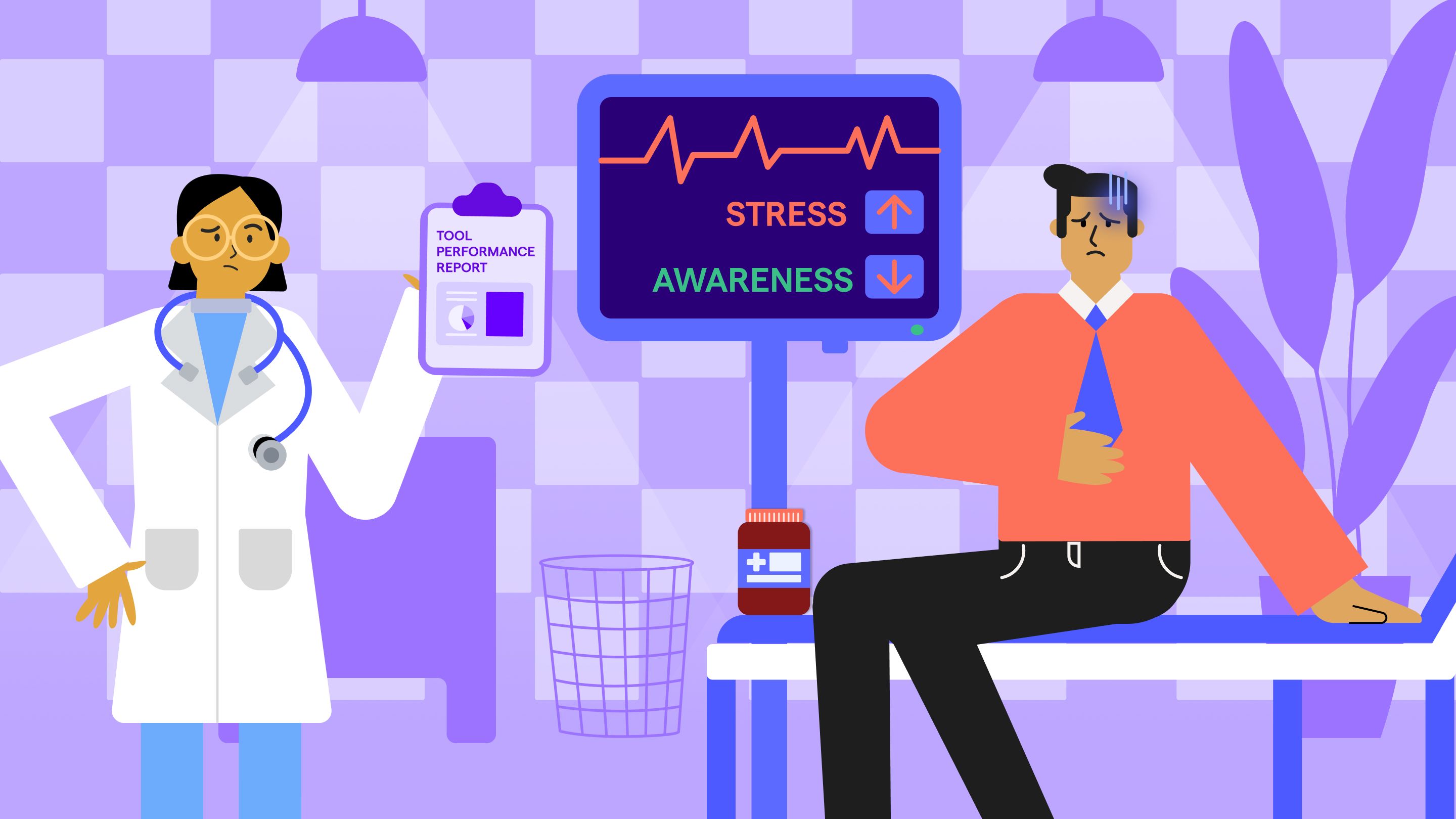
Monitoring digital activity patterns can also reveal stress indicators. Elevated stress correlates with impulsive behavior, increasing the risk of security mistakes. By recognizing high-stress moments - such as when a user is multitasking intensely across chats, emails, and browsers - systems could temporarily slow external communications or suppress non-critical notifications, reducing exposure to phishing attempts.
This isn’t about surveillance but context-aware protection. GenAI models can help design such adaptive systems, nudging users into calmer, more focused states - measurable through reduced incident rates.
Conclusion
Tools alone can’t secure an organization; people can. By understanding behavior, stress, and motivation, we can design security cultures that reinforce awareness instead of fatigue. Human-centric cybersecurity recognizes that resilience begins not in code or policy, but in emotion and cognition - the way people think, feel, and act under pressure.
Get in touch with our HRM Specialists
Experience OutThink
Get in touch with our HRM Specialists

Security Awareness vs Secure Behaviour: Why Training Fails and What Actually Reduces Human Cyber Risk

Shadow AI and Human‑Driven GenAI Risk: Why Organisations Need Human‑Centric AI Governance in 2026

How Security Behaviour & Culture Programs (SBCP) Actually Change Cybersecurity Outcomes

How to Spot AI‑Generated Videos: Why Detection Now Depends on Human Judgement, Not Visual Clues

Human-Centric Cybersecurity: Why Secure Behaviour Is the New Security Perimeter
What Makes a Human Risk Management Platform Effective in 2026
How AI Is Supercharging Smishing – and What Can Actually Prevent It
Behaviour vs Recognition: The Real Skills Security Awareness Training Must Build for Effective Cyber Resilience
Beyond Detection: The New Model for Deepfake Awareness Training

Deepfake Phishing Simulations: The New Battleground for Cybersecurity Teams

Why Most Phishing Training Programs Fail - And the Best Phishing Simulation Tools to Turn Them Around
GenAI and the Illusion of Control: Why Enterprise Software Is Quietly Undermining Data Security
2026 Ultimate Guide to AI Security Training Platforms & Tools

The Best Proofpoint Alternatives & Competitors in 2026: What to Choose (and Why)

The Best Adaptive Security Alternatives & Competitors in 2026
The Best Hoxhunt Alternatives & Competitors in 2026
The Best KnowBe4 Alternatives & Competitors in 2026: What to Choose (and Why)
The Best MetaCompliance Alternatives & Competitors in 2026
The Best SANS Security Awareness Alternatives & Competitors in 2026
The Best Infosec IQ Alternatives & Competitors in 2026
The Best Cofense Alternatives & Competitors in 2026

The Best Mimecast Alternatives & Competitors in 2026
Designing Human-Centric Cybersecurity
Beyond Tools - The Human Factor in Cybersecurity
The Misaligned Incentives of Cybersecurity : Lessons from Healthcare

There are (at least) Three Ways You Should be doing SAT Campaigns Differently (Part 1)

Practical Guide to COM-B
Building the Foundation: The Crucial Role of Security Culture in Today's Organizations

How to Build and Sustain a Successful Security Champions Program

It’s Time to Make Peace With Imperfection in Cybersecurity Human Risk Management

Why I Refused to Say “People Are the Weakest Link in Cyber”

Can Your People Outthink a Deepfake?
Trusting HTTPS Could Be Your Biggest Mistake - Here’s Why
Biometrics Are Here: Are We Ready for the Human Risks?
I’m a Human Risk Manager (I Think?)

How to Run a Cybersecurity Awareness Training Program in Academia
Phishing in 2025: Cybercriminals Are Smarter Than You Know

Cybersecurity's Comfort Zone Problem
Turning Employees into Payment Security Champions: Your Guide to Free PCI Awareness Training
AI Phishing: The Rising Threat of Intelligent Cyber Deception

What Maslow’s Hierarchy of Needs Reveals About Cybersecurity Flaws
Smishing: The Phishing Attack That Lives in Your Pocket
How Adaptive Security Awareness Training Drives Better Cybersecurity Outcomes: The Science

Quishing: When QR Codes Become Cyber Traps - Your Essential Guide to Protection
TISAX Training: Strengthening Automotive Information Security and Compliance
What Is DORA? DORA Training for Compliance

Risk Quantification for Cybersecurity Human Risk Management

Adaptive SAT: The Future Is Now

Behavioral Analytics Are Changing Cybersecurity
Cybersecurity Awareness Training for Remote Workforces
Would You Skip an Update if You Knew What It Could Cost You?
Your Password Isn't Enough: Why Your Digital Life Needs Multifactor Authentication Today

Your Cybersecurity Is Only as Strong as Your People
What is Cybersecurity Human Risk Management? What You Need to Know

Engagement Strategies for Cybersecurity Human Risk Management
Adaptive Security Awareness Training for Frontline Workers

Human Risk Management's Eight Dimensions of Secure Behavior Segmentation

State-Sponsored Phishing Attacks Target 40,000 Corporate Users: What This Means for Protecting Your Business
Adaptive Security Awareness Training: Unlearning and Relearning Routines
Did You Think Your Password Was Secure? Let’s Talk Password Security

Rethinking Security Awareness: Towards a Cybersecurity Human Risk Management Framework
Password Security: Why the UK is Banning Generic Passwords