GenAI and the Illusion of Control: Why Enterprise Software Is Quietly Undermining Data Security
Jan 20

Get in touch with our HRM Specialists
Introduction
Paying millions of dollars on security systems while leaving the barn door open through Enterprise Software GenAI features is becoming an increasingly common pattern.
Nothing much has changed over the last decades. Security and data protection are still not being taken seriously enough and are often treated as a complicating nuance-something to be worked around as long as there are no immediate legal implications.
This becomes particularly visible in the way GenAI integrations are being rushed into enterprise software environments in the name of cost reduction and “future-readiness,” often without answering basic questions of control and accountability.
We can illustrate this by two simple but fundamental cases about GenAI integrations that almost every company is currently pursuing. Not being able to answer either and not being able to demonstrate control in conclusion means that fundamental protection of data and intellectual property is severely neglected.
Scenario: Enterprise HR Software with GenAI Integration
Consider an enterprise service software integration for Human Resources (HR). In this scenario, the HR system uses a GenAI feature to support team managers in creating reports across their teams’ compensation: for example, reports showing average and median salaries or bonuses for individuals within a team.
These reports must be calculated using data that is already available and accessible within the HR system. Typically, such a system is controlled by an Identity and Access Management (IAM) process in which each line manager has only access to data pertaining to their role, in this case, to compensation data across the teams they managed, not somebody else’s team outside their own team structure.
This is a baseline security expectation in enterprise systems.
Case 1: The GenAI Already “Knows” the Answer
In the first case, the HR software’s GenAI already knows the answer because it has been trained or fine-tuned on the underlying raw data set. It therefore has intrinsic knowledge that allows it to generate responses immediately.
The key question is:
How is the GenAI governed and controlled to ensure it follows the required Role-Based Access Control model? Specifically, how does the system assure that sensitive compensation information is only provided to authorized individuals-or authorized non-human entities acting on their behalf?
Case 2: The GenAI Actively Retrieves the Data
In the second case, the HR software’s GenAI does not yet know the answer. Instead, it follows a reasoning process: identifying relevant data sources, accessing the data, and calculating results in response to the user’s request.
This raises a different but equally critical set of questions:
How is the GenAI orchestrated to select and use exactly the role that matches the requester’s access privileges?
If the GenAI is operating with a broad or all-access system role, how is access restricted to ensure that only authorized data is queried and processed? For example, does the GenAI explicitly inherit and enforce the requester’s RBAC permissions throughout the entire reasoning process?
Why This Matters
Fundamentally, one of these two cases must be true-even in hybrid implementations that introduce additional layers between the request and the response. If an organization cannot clearly explain which case applies, and how access control is enforced, then it is not in control of its sensitive data.
In the context of HR systems, this lack of control almost certainly implies exposure to legal and regulatory risk. More broadly, it represents a failure of basic data governance at a time when GenAI systems are being granted unprecedented reach into enterprise data.
Regardless of the specific technical shortcomings or downstream consequences, the underlying issue is the same: a lack of due diligence and a troubling neglect of responsibility for protecting material data. If these questions are not being asked, if vendor responses are not being challenged, and if controls are not being validated as effective, then organizations are operating on an assumption of security rather than evidence of it.
In short, if you cannot clearly answer these questions, you do not have control-no matter how much you are spending on security tooling.
Get in touch with our HRM Specialists
Experience OutThink
Get in touch with our HRM Specialists

Security Awareness vs Secure Behaviour: Why Training Fails and What Actually Reduces Human Cyber Risk

Shadow AI and Human‑Driven GenAI Risk: Why Organisations Need Human‑Centric AI Governance in 2026

How Security Behaviour & Culture Programs (SBCP) Actually Change Cybersecurity Outcomes

How to Spot AI‑Generated Videos: Why Detection Now Depends on Human Judgement, Not Visual Clues

Human-Centric Cybersecurity: Why Secure Behaviour Is the New Security Perimeter

What Makes a Human Risk Management Platform Effective in 2026

How AI Is Supercharging Smishing – and What Can Actually Prevent It

Behaviour vs Recognition: The Real Skills Security Awareness Training Must Build for Effective Cyber Resilience

Beyond Detection: The New Model for Deepfake Awareness Training

Deepfake Phishing Simulations: The New Battleground for Cybersecurity Teams

Why Most Phishing Training Programs Fail - And the Best Phishing Simulation Tools to Turn Them Around
GenAI and the Illusion of Control: Why Enterprise Software Is Quietly Undermining Data Security

2026 Ultimate Guide to AI Security Training Platforms & Tools

The Best Proofpoint Alternatives & Competitors in 2026: What to Choose (and Why)

The Best Adaptive Security Alternatives & Competitors in 2026
The Best Hoxhunt Alternatives & Competitors in 2026
The Best KnowBe4 Alternatives & Competitors in 2026: What to Choose (and Why)

The Best MetaCompliance Alternatives & Competitors in 2026

The Best SANS Security Awareness Alternatives & Competitors in 2026
The Best Infosec IQ Alternatives & Competitors in 2026
The Best Cofense Alternatives & Competitors in 2026

The Best Mimecast Alternatives & Competitors in 2026
Designing Human-Centric Cybersecurity
Beyond Tools - The Human Factor in Cybersecurity
The Misaligned Incentives of Cybersecurity : Lessons from Healthcare

Human Risk Management and ISO 27001

There are (at least) Three Ways You Should be doing SAT Campaigns Differently (Part 2)

There are (at least) Three Ways You Should be doing SAT Campaigns Differently (Part 1)

Slid into my DMs: The rise of AI Phishing Influencers

Beyond Passwords: Inside the Largest Credential Leak in History

Practical Guide to COM-B
Building the Foundation: The Crucial Role of Security Culture in Today's Organizations

How to Build and Sustain a Successful Security Champions Program

It’s Time to Make Peace With Imperfection in Cybersecurity Human Risk Management

Why I Refused to Say “People Are the Weakest Link in Cyber”

Can Your People Outthink a Deepfake?
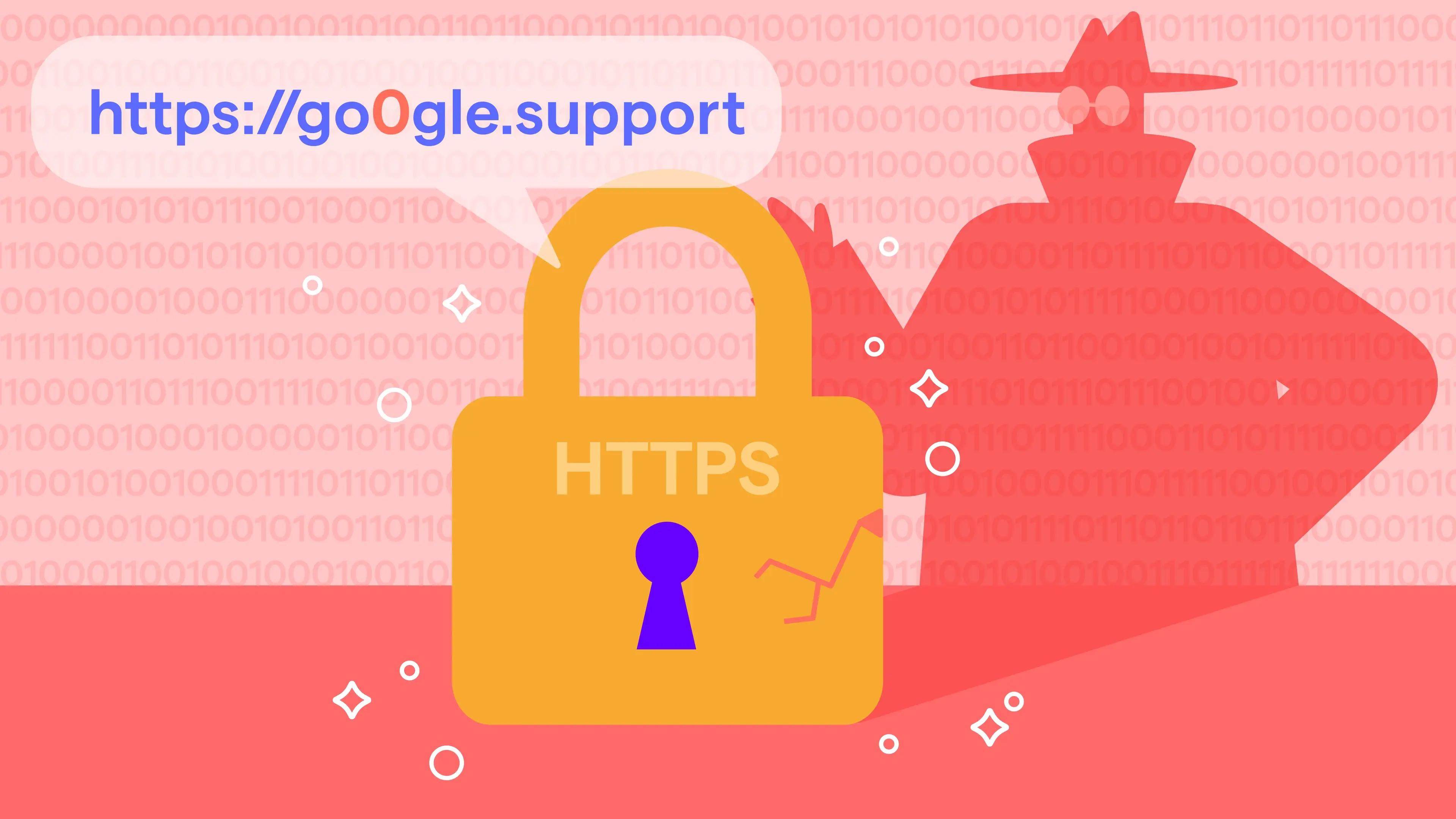
Trusting HTTPS Could Be Your Biggest Mistake - Here’s Why
The Human Risk Behind Scareware Attacks

Why Whaling Attacks Are the Caviar of Cybercrime
Biometrics Are Here: Are We Ready for the Human Risks?
I’m a Human Risk Manager (I Think?)

How Microsoft’s ‘Passwordless by Default’ Might Save Security

The Cyber Risk Within: Insider Threats

What Is ‘Human Risk’ in Cyber?

What if Agentic AI Could Stop Human Risks Before They Happen?

How to Run a Cybersecurity Awareness Training Program in Academia
Phishing in 2025: Cybercriminals Are Smarter Than You Know

Why Cybersecurity Human Risk Management Benefits CISOs

The Strategic Role of Adaptive Security Awareness Training Content
Cybersecurity's Comfort Zone Problem
Turning Employees into Payment Security Champions: Your Guide to Free PCI Awareness Training
AI Phishing: The Rising Threat of Intelligent Cyber Deception

What Maslow’s Hierarchy of Needs Reveals About Cybersecurity Flaws
Smishing: The Phishing Attack That Lives in Your Pocket
How Adaptive Security Awareness Training Drives Better Cybersecurity Outcomes: The Science

Quishing: When QR Codes Become Cyber Traps - Your Essential Guide to Protection
Domain Spoofing: The Cyber Trick You Can’t Afford to Ignore
PIPEDA Compliance: Why PIPEDA Training is Important
CCPA Training: Building a Culture of Privacy and Compliance

Data Privacy Week: How Convention 108 Paved the Way for Modern Privacy Laws

TISAX Training: Strengthening Automotive Information Security and Compliance

GDPR Training: Building a Culture of Compliance
What Is DORA? DORA Training for Compliance

Risk Quantification for Cybersecurity Human Risk Management

Adaptive SAT: The Future Is Now
NIST Recommends New Guidelines for Password Security
Empowering Organizations with Adaptive Security Awareness Training
Why Humans Should Be the New Frontline in Cyber Defense

Behavioral Analytics Are Changing Cybersecurity
Cybersecurity Awareness Month 2024: Your Security Journey Doesn't End Here

Cybersecurity Awareness Training for Remote Workforces
Would You Skip an Update if You Knew What It Could Cost You?
Why Every Cyber Strategy Fails Without This Element
Your Password Isn't Enough: Why Your Digital Life Needs Multifactor Authentication Today

Is Your Cybersecurity Working From Home Too?
Human Risk Management Gets Adaptive

Your Cybersecurity Is Only as Strong as Your People

The Email That Could Cost You Everything: Your Essential Guide to Recognizing Phishing in 2024

How Ready Is Your Workforce for a Real Phishing Attack?
What is Cybersecurity Human Risk Management? What You Need to Know

Engagement Strategies for Cybersecurity Human Risk Management
Enhance Your Phishing Training With Outthink
Adaptive Security Awareness Training for Frontline Workers
The Role of Security Awareness Training After IT Outages

Human Risk Management's Eight Dimensions of Secure Behavior Segmentation

State-Sponsored Phishing Attacks Target 40,000 Corporate Users: What This Means for Protecting Your Business
Adaptive Security Awareness Training: Unlearning and Relearning Routines
Did You Think Your Password Was Secure? Let’s Talk Password Security

Rethinking Security Awareness: Towards a Cybersecurity Human Risk Management Framework
Password Security: Why the UK is Banning Generic Passwords

Instagram Security Awareness Training: A Step-by-Step Guide

Cybersecurity Human Risk Management Forum Kicks Off in London